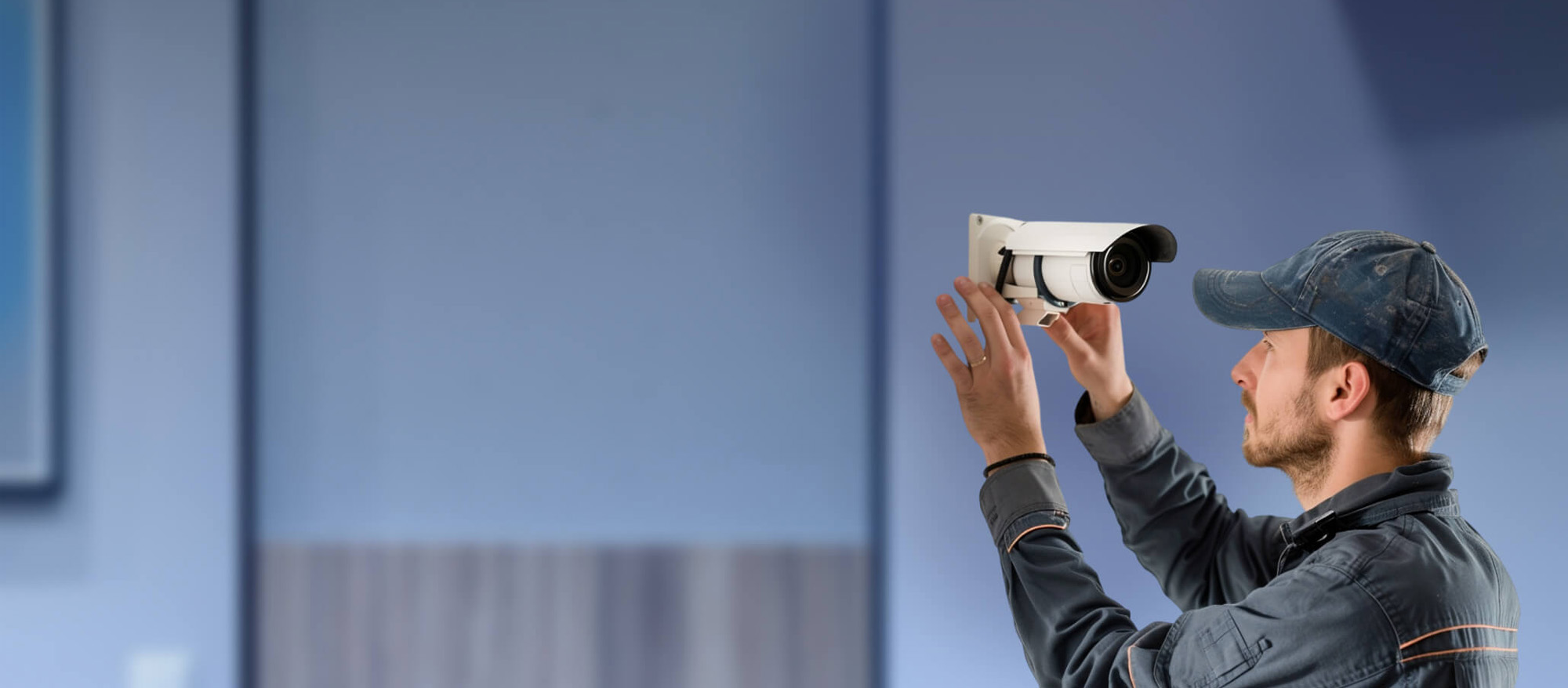

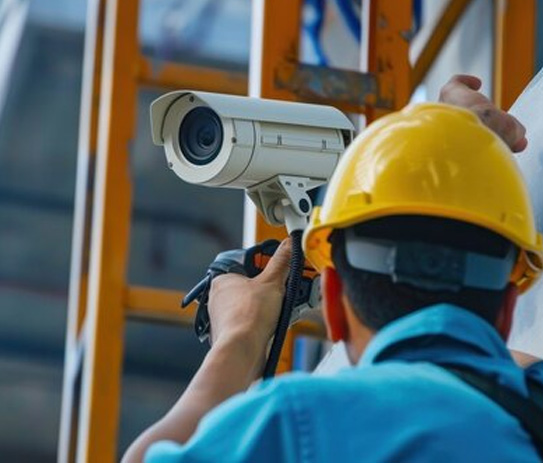
Choosing the right surveillance system is an important step in protecting homes, offices, commercial buildings, warehouses, and industrial facilities. CCTV installers in Dubai help property owners plan, install, configure, and maintain security systems based on the needs of each site. However, choosing a suitable provider involves more than comparing installation prices.
A reliable CCTV system depends on proper camera placement, suitable equipment, network infrastructure, recording capacity, and ongoing technical support. By understanding these factors, we can make informed decisions and build a surveillance solution that supports long-term security and reliable operation.
This guide covers the main factors to consider when choosing a CCTV installation company in Dubai, including camera selection, network requirements, storage, applicable SIRA requirements, testing, maintenance, and future expansion.
Before contacting a CCTV installation company, we should first identify the property's security objectives. Every building has a different layout, level of activity, lighting condition, and monitoring requirement.
A small office may need cameras at entrances, reception areas, corridors, and server rooms. A warehouse may require wider coverage around loading areas, storage zones, parking spaces, and external boundaries.It is useful to consider:
Here's why proper planning matters: A CCTV system should be designed around the property's actual requirements instead of using a standard package that may leave important areas uncovered.
CCTV installation involves much more than mounting cameras and connecting cables. A professional provider should understand surveillance design, networking, recording equipment, system configuration, and troubleshooting. When comparing CCTV installers in Dubai, we should consider their experience with properties similar to the project. A commercial building may require different expertise from a residential villa, warehouse, school, or industrial facility.
Important areas of technical experience include:
For larger projects, the installer should also understand how CCTV works alongside structured cabling, fiber optic networks, access control, and other ELV systems.A capable provider should be able to explain the proposed design, equipment specifications, network requirements, recording solution, and maintenance scope clearly.
Different CCTV cameras are designed for different environments. The right choice depends on the location, viewing distance, lighting, environmental conditions, and required field of view.
Dome cameras are commonly used in offices, reception areas, retail stores, and indoor spaces. Their compact design can provide a discreet installation while covering specific areas effectively.
Bullet cameras are often used for outdoor walls, entrances, driveways, and perimeter areas. Their suitability depends on the required viewing distance, mounting position, lighting, and environmental protection.
Pan-Tilt-Zoom cameras allow authorized users to remotely change the viewing direction and zoom level. They can be useful for larger areas that require active monitoring. However, PTZ cameras should not automatically replace fixed cameras. A PTZ camera may be focused on one area while another location is outside its current view.
IP cameras transmit video through a network and can work with network-based recording and management systems. They are widely used in modern surveillance projects where scalability and integration are important. The important part is choosing a camera for its intended purpose rather than selecting equipment only because it offers a higher resolution.
Good image quality depends on more than megapixels. Lens selection, camera position, lighting, viewing distance, image processing, and recording settings all influence the final footage.
Higher-resolution cameras can provide greater image detail
when installed and configured correctly. However, the required resolution depends on what the camera needs to capture.A camera monitoring a general corridor may have different requirements from one positioned at an entrance where identification is important. The installation design should therefore establish the required viewing area and image detail before cameras are selected.
Dubai properties can have challenging lighting conditions, including strong sunlight, shaded areas, indoor lighting, and dark external spaces. Infrared night vision can support surveillance in low-light conditions. However, its performance depends on the camera, installation position, surrounding surfaces, and available illumination. We should also consider:
An OTDR (Optical Time-Domain Reflectometer) can also be used for detailed fault analysis. It can help technicians find incidents along a fiber network, such as significant loss, bad splices, or fractures. Companies should inquire as to what tests will be conducted and whether the outcomes will be recorded. Test reports can offer helpful details for upkeep and troubleshooting in the future.
CCTV systems can use different transmission and recording technologies. The right option depends on existing infrastructure, project requirements, equipment compatibility, and future expansion.
IP surveillance systems transmit video through network infrastructure and can support centralized management, network recording, and integration with other systems.
Analog systems may still be suitable for certain properties, particularly where existing infrastructure influences the project design.Before choosing a system, we should evaluate:
Property requirements can change after the original CCTV installation. Businesses may expand, add new entrances, change layouts, or introduce additional security systems. Future expansion should therefore be considered during the initial design wherever practical. We should discuss potential additions such as extra cameras, increased storage, network expansion, and integration with access control or alarm systems.
SevenLines provides security solutions in Dubai, including CCTV surveillance, access control, structured cabling, fiber optic networks, and related security systems. The right CCTV provider should be evaluated according to the property's requirements, technical capabilities, installation scope, documentation, and ongoing support.